
When fishing with Worthington Fly Fishing, we provide exceptional guiding and outstanding days on the water. We are honored to not only make sure your getting the best action of the season but also a healthy, gourmet lunch! Try not to drool over today’s Mushroom and Tri Tip sandwiches on Bridget’s Grandma’s French Roll recipe!


Wild epitomized
What to Wear: Winter Steelheading
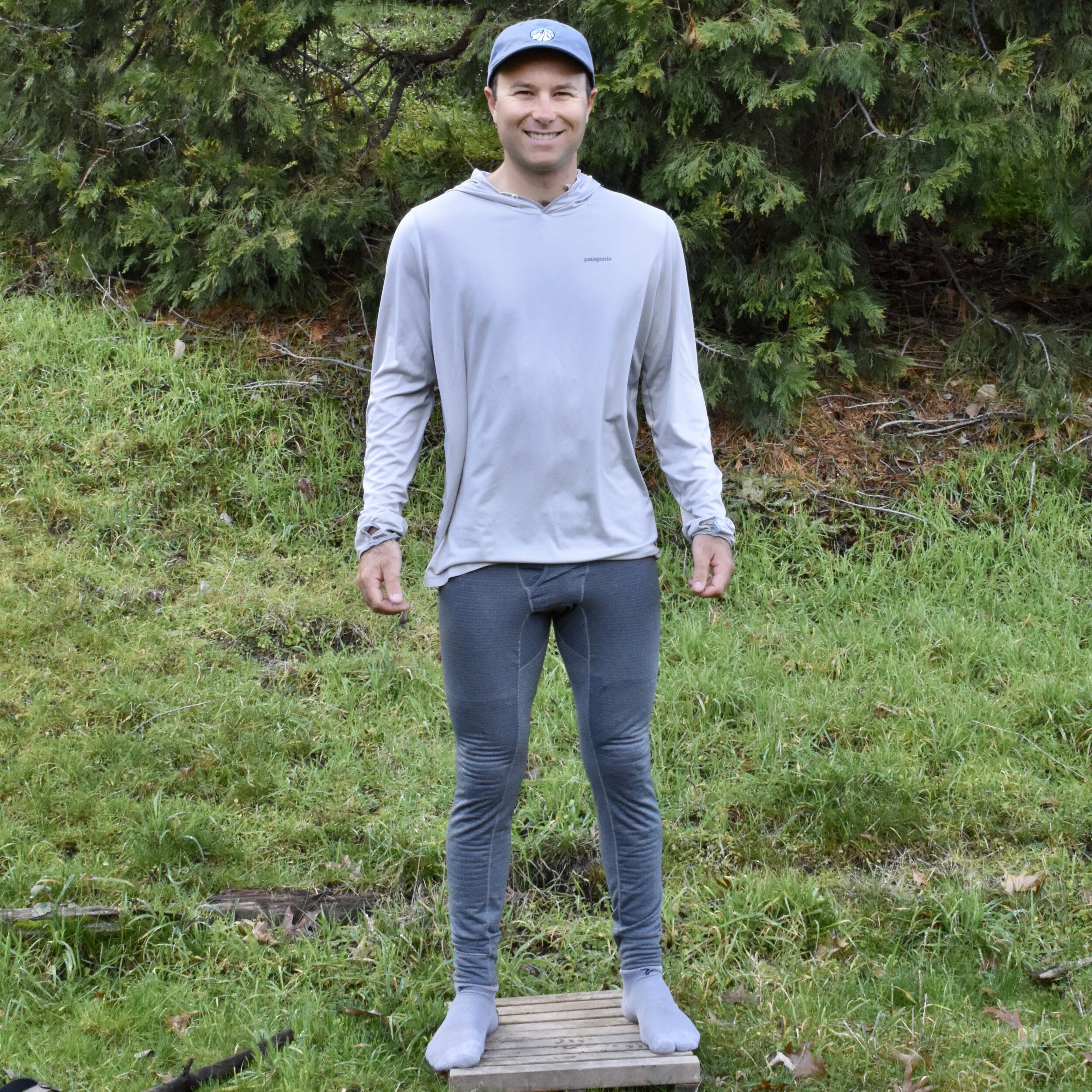
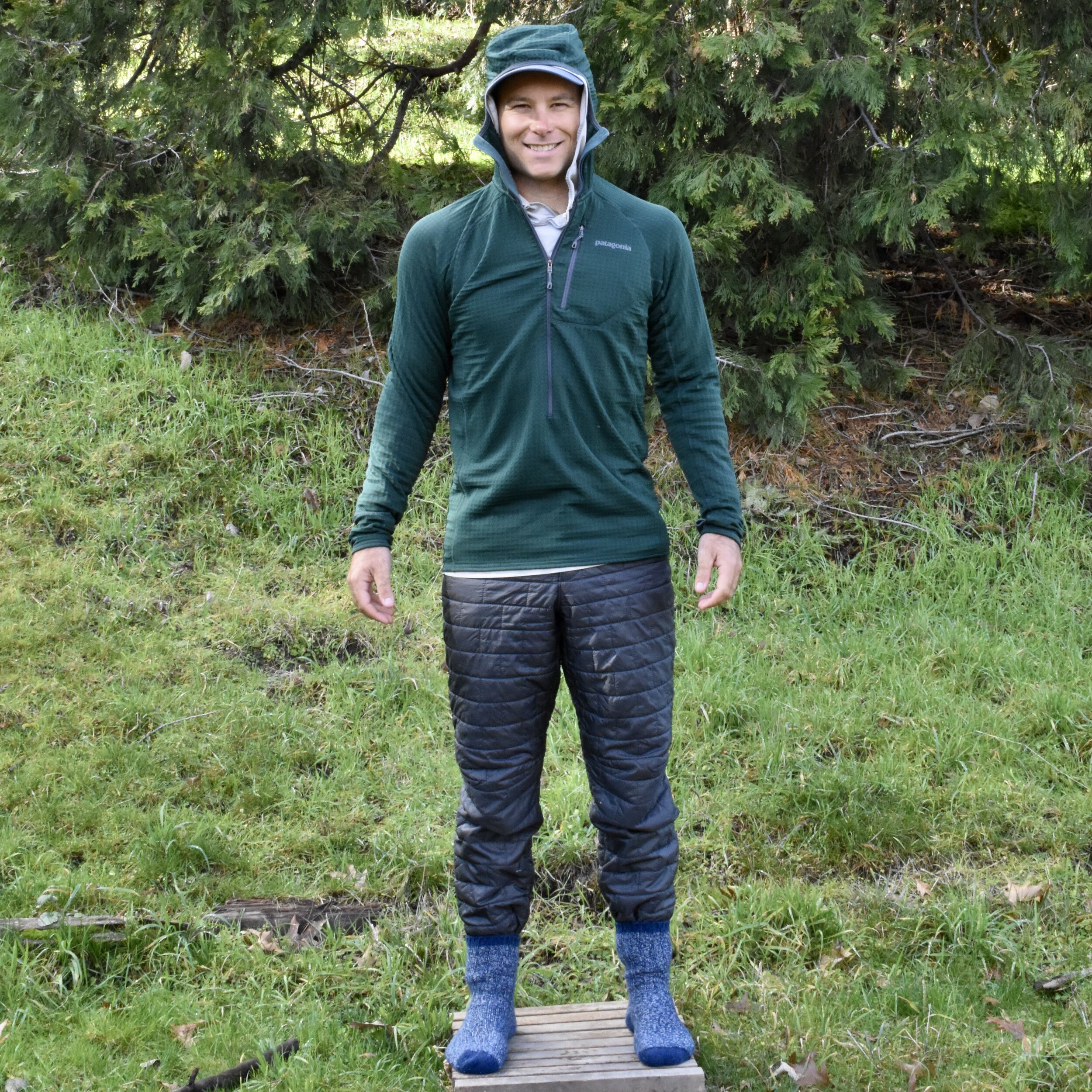
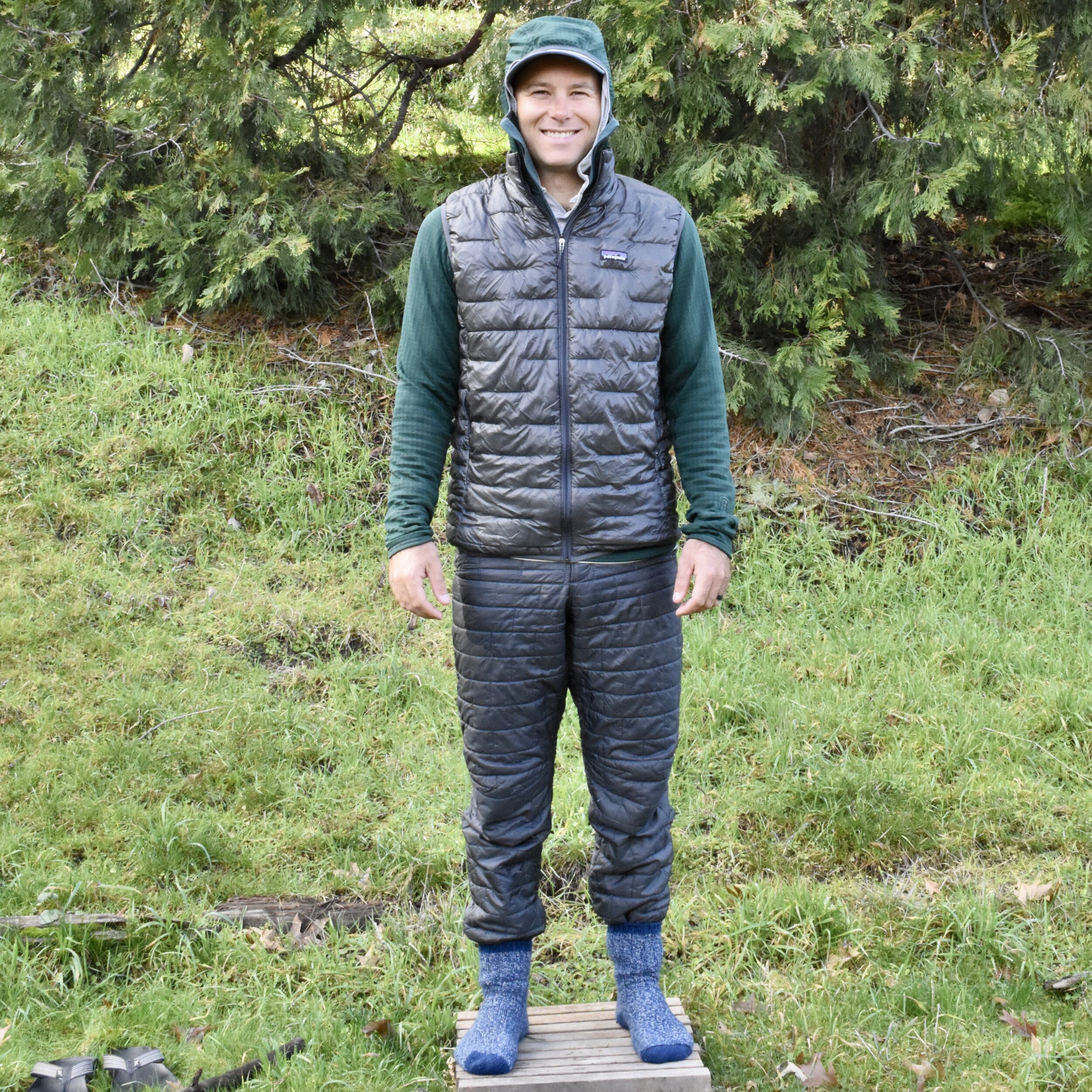
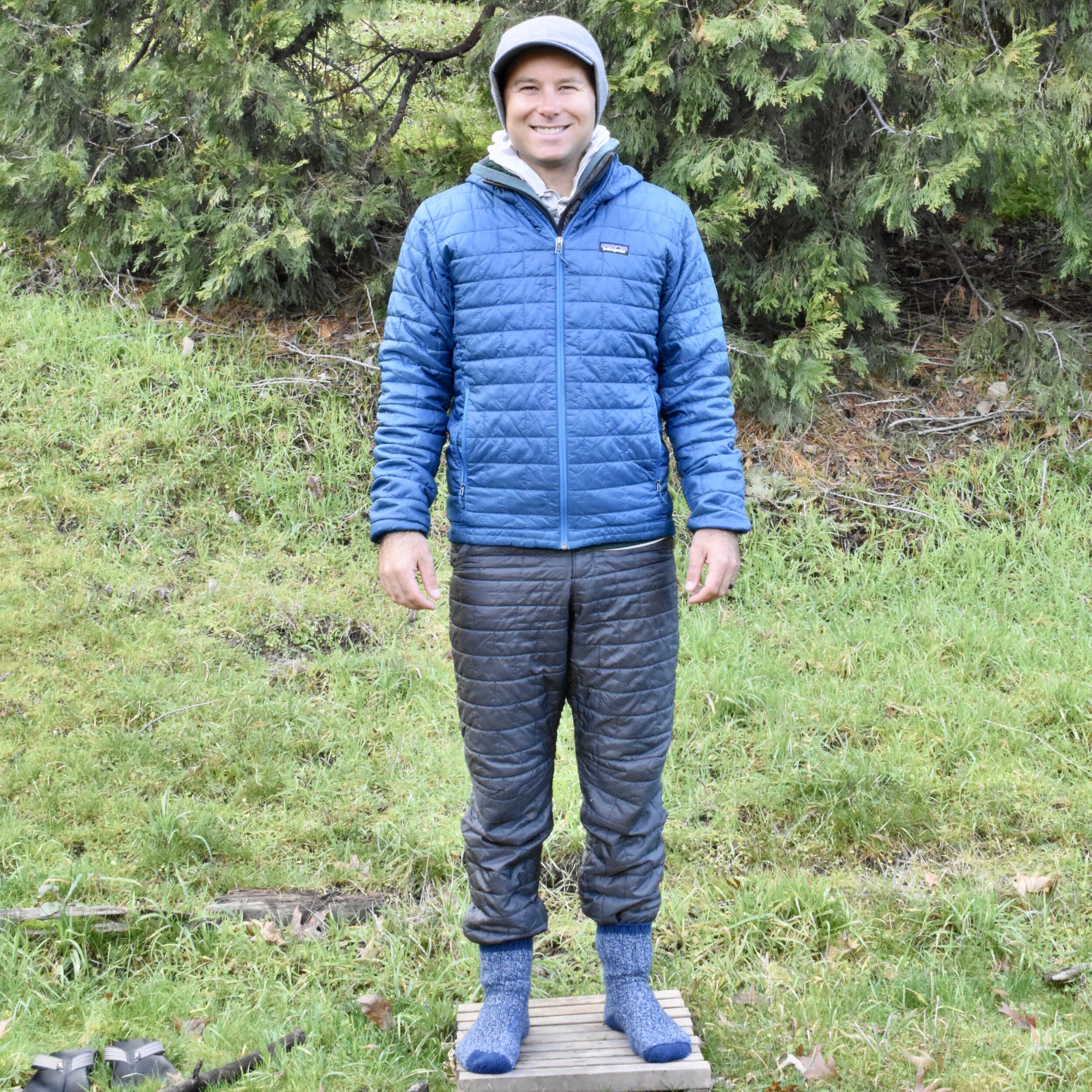
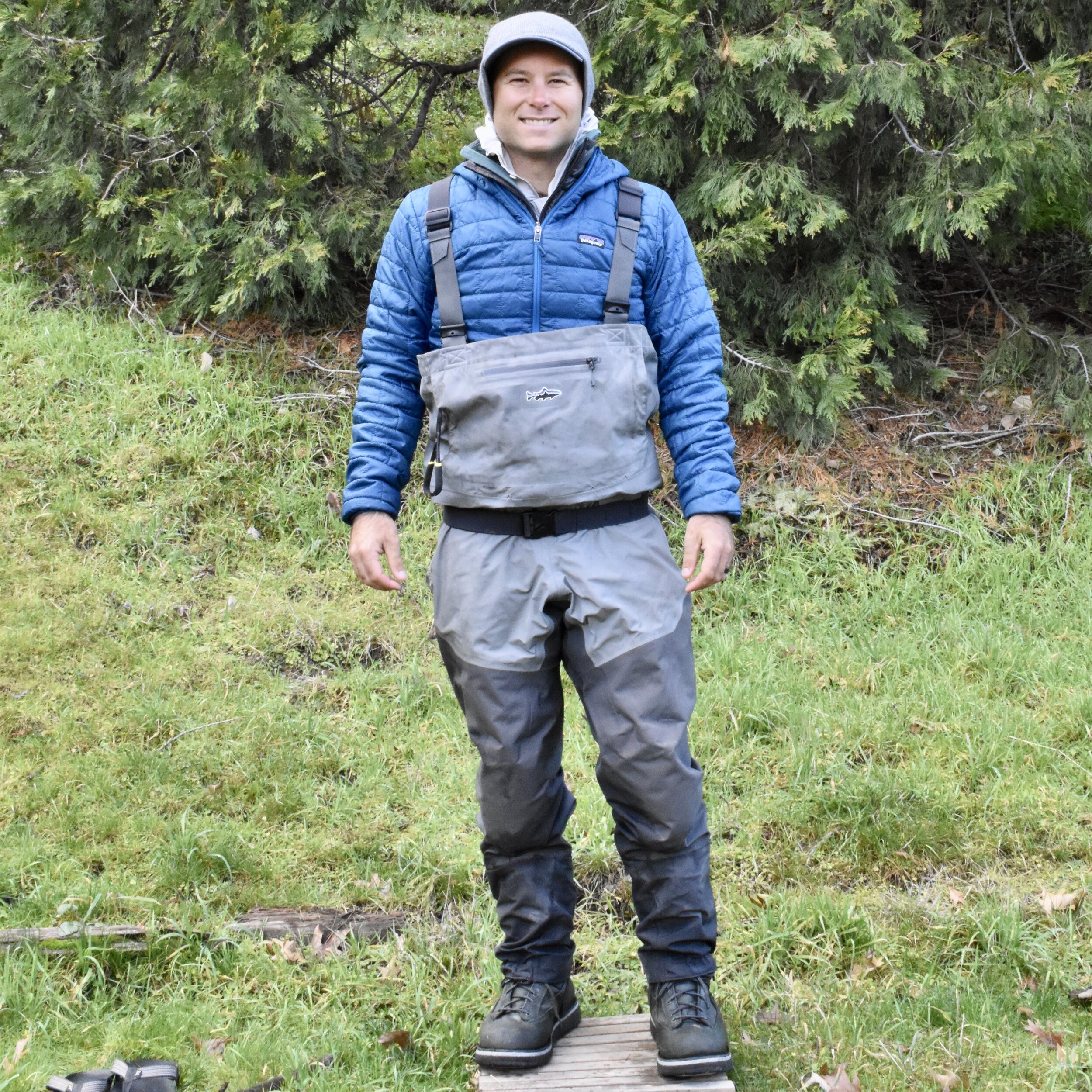
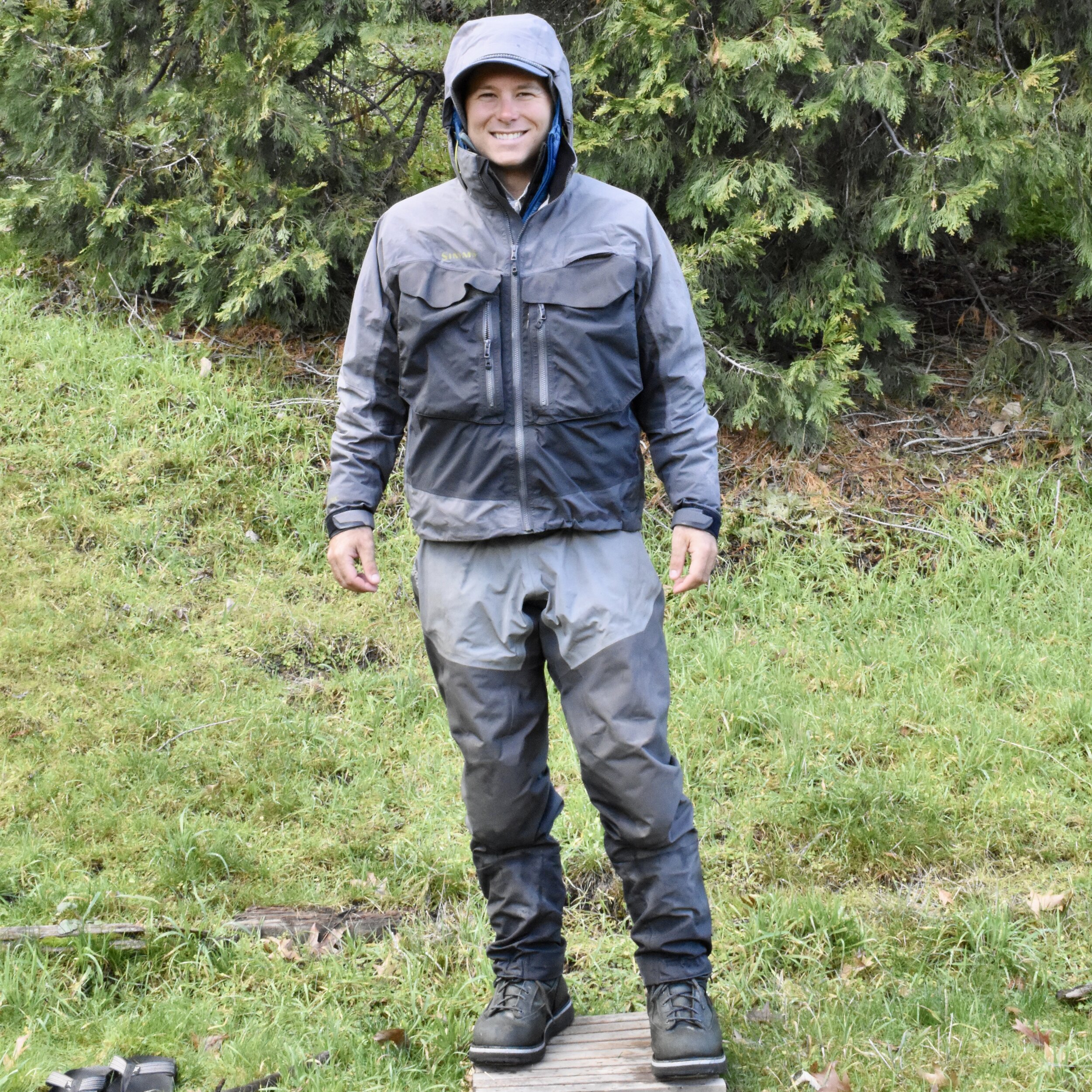
Winter Steelheading is HARD. With colder water temperatures, fish are less active and grabby, some days can get a little frustrating. So, the first thing you need is an optimistic attitude and the last thing you need is to be cold.
Whether you are drifting from the boat huddled up around a small propane heater or waist deep rocketing your favorite intruder across a 35 degree river, Winter Steelheading can be FLIPPING COLD. Some days there’s a gnarly wind-chill, some days its dumping snow, while others are perfectly glorious, sun-filled days or a mix of all the above. We find that it’s best to be prepared for everything to ensure that your awesome day on the water isn’t ruined or even ended early due to poor clothing choices. So, we’re going head to toe, helping you stay warm this Winter Steelheading season!
Before we get too far, LAYERS. We can’t stress it enough. The worst thing that can happen is you bring too many and have to take some off. That’s not a problem, being too cold is, so here’s a layering system we use.
Layer 1
- Standard ball cap (WITHOUT a mesh back).
- Long-sleeved base layer (preferably something quick-drying as we tend to get our sleeves wet when we catch fish). A hoody that is quick-drying can be worn year round and is a perfect sunshade in the summer!
- Midweight long-johns/leggings/base layer with a tapered ankle.
- A thin sock. A running sock works great.
Layer 2
- Active fleece hoody. Bridget’s is a full-zip hoodie that was on sale at REI.
- Pant insulation layer. This can vary based on your warmth tolerance and your budget. Our number one choice for this is an insulated pant, these are a complete gamechanger when it comes to Bridget’s fortitude for winter fishing, camping and hiking. The next option we would go with is a thick fleece or fleece-lined pant. Sweatpants work in a pinch.
- Next is a nice fluffy wool sock. Be sure to tuck your pant hems into the outer sock and smooth it out as best you can. Otherwise, it might bunch and ride up when you pull on your waders!
Layer 3
- Insulated vest. These are great for someone who is going to be fairly active while out in the cold, keeping your core warm while your arms are busy catching all the steelhead!
- Brandon finds a vest indespensible nearly year round. They are great for nippy mornings in the fall and spring and because they provide core insulation only it allows for better heat regulation for the hike in, the row out, and the deep wade.
Layer 4
- Beanie that can stretch around your ball cap.
- Insulated jacket. This should really be a requirement to get on the boat in the winter.
- This is your puffy layer, or insulation layer and can be a number of different pieces including a high pile fleece, a down jacket, a synthetic puffy or even a shell with built in insulation.
Layer 5
- Waders. This is not the time of year to bring out your old beat to the curb waders. Your day could be ruined with the slightest pinhole in the wrong place. Make sure you’re all patched up before your big trip. Also, cold feet can make your whole body cold and could very well be the most important and difficult part to figure out, but I think we’ve got it down. To start, you need to make sure that your wading boots have ample room to fit your feet, enough sock insulation to keep you warm, and your wader sock. We like to go up a size in boots for this exact reason. Yes, that means that in the summer time when we’re wet wading our boots are a touch big but that’s nothing when compared to frostbitten toes.
Layer 6
- Rain jacket. Keep all the precipitation and wind out while trapping all your yummy warmth in. This one is an absolute must for Winter Steelheading. Even if you looked at the weather report and they are promising sunshine and glory, it’s still the PACIFIC NORTHWEST. Bring a rain jacket. Sometimes the wind-chill can really surprise you.
- Gloves. This one is more preference. Some people hate managing line with gloves on but we always recommend bringing a pair or even two of your favorite gloves. Bridget will guaranteed within 1 hour get her gloves wet and Brandon will have to dig out his spare pair. If you tend to get very cold hands, it might be a good idea to bring some hand warmers too.
Now, this is what we typically wear from December through March in Southern Oregon and Northern California. But every trip we go on we bring a dry bag with the following essentials, just in case:
- Cozy, large fleece/sweatshirt
- Sweatpants
- Extra gloves
- Extra beanie
- Extra wool socks
- Wool buff/scarf

We hope this helps keep you warm while pursuing the elusive Winter Steelhead. Their an unforgettable catch and we would hate for you to miss out on their glory because you were too cold.
If you’re interested in a Winter Steelhead trip with us, check out this page and contact us here.
Good luck and tight lines,
Brandon and Bridget
Use your eyes for better spey casting
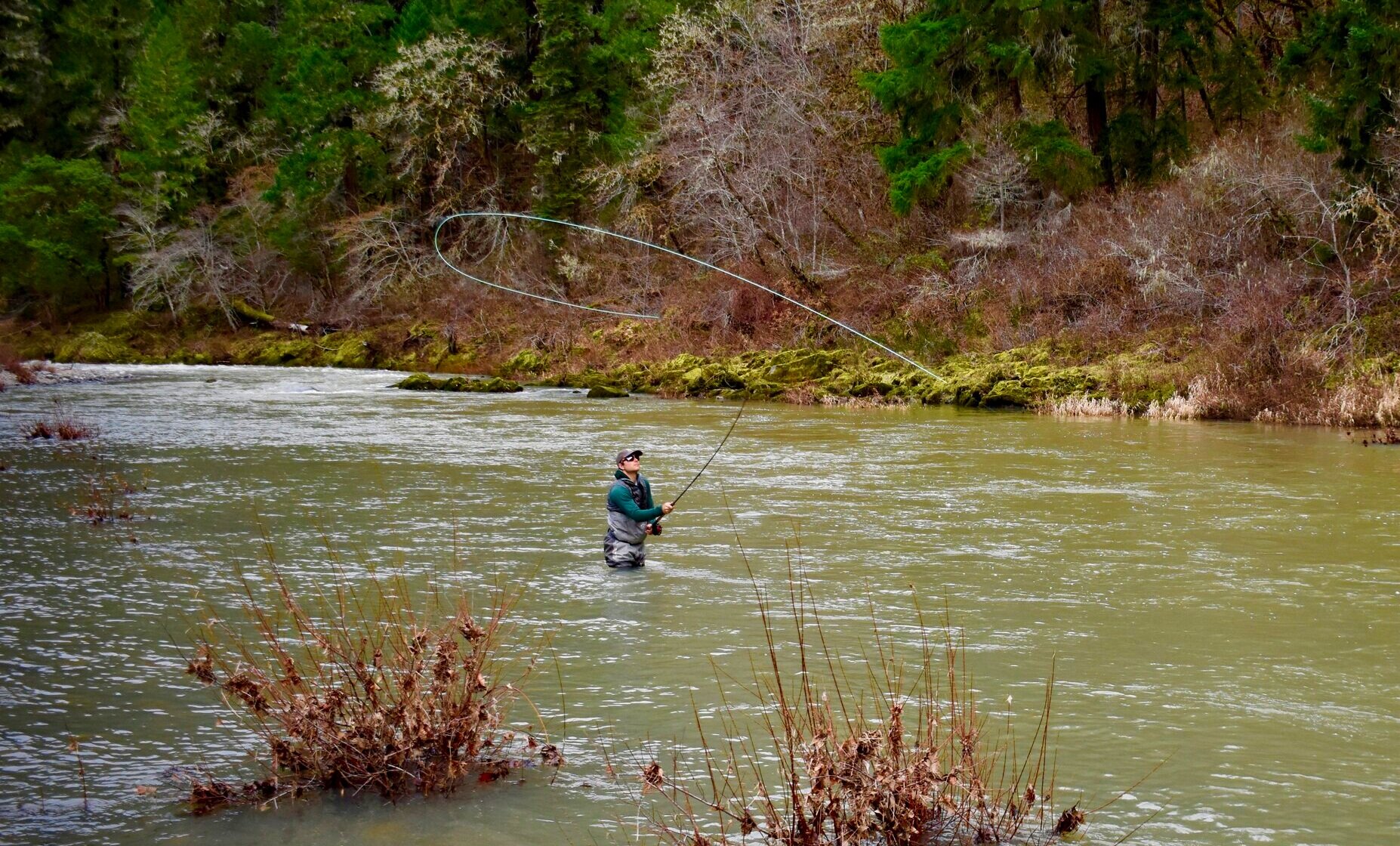
Many spey casting issues can be remedied with one simple fix and the use of a tool we all have, but don’t use often enough.
So when I’m guiding spey clients, where casting is a big component of the game, I try and distill casting down to its fundamental components, use a simple toolbox to fix problems, and ensure we can spend less time farting around casting, and more time actually fishing.
We know (or should know!) that good casting leads to more opportunities on the water, yet it’s still too easy to lose sight of our casting, which can lead to a whole host of issues, including blown anchors, speed and d-loop problems and trajectory mishaps.
So have you figured out what tool to use?
Yes, it’s, your eyeballs! And using them to watch what the heck is going on in your cast from start to finish is where every caster should begin to solve many of the casting problem they are having.
I see all too often, even from good anglers, poor casts are the product of a lack of observation throughout the casting stoke. They’ll set an anchor, form a d-loop, apply power to the forward stroke, and do it all blind, expecting a lazer-dart cast to fire off their rod tip into the abyss.
It works like that for some people, but not most of us, so here’s some simple ways to apply your eyeballs to your casting for better and more consistent results.
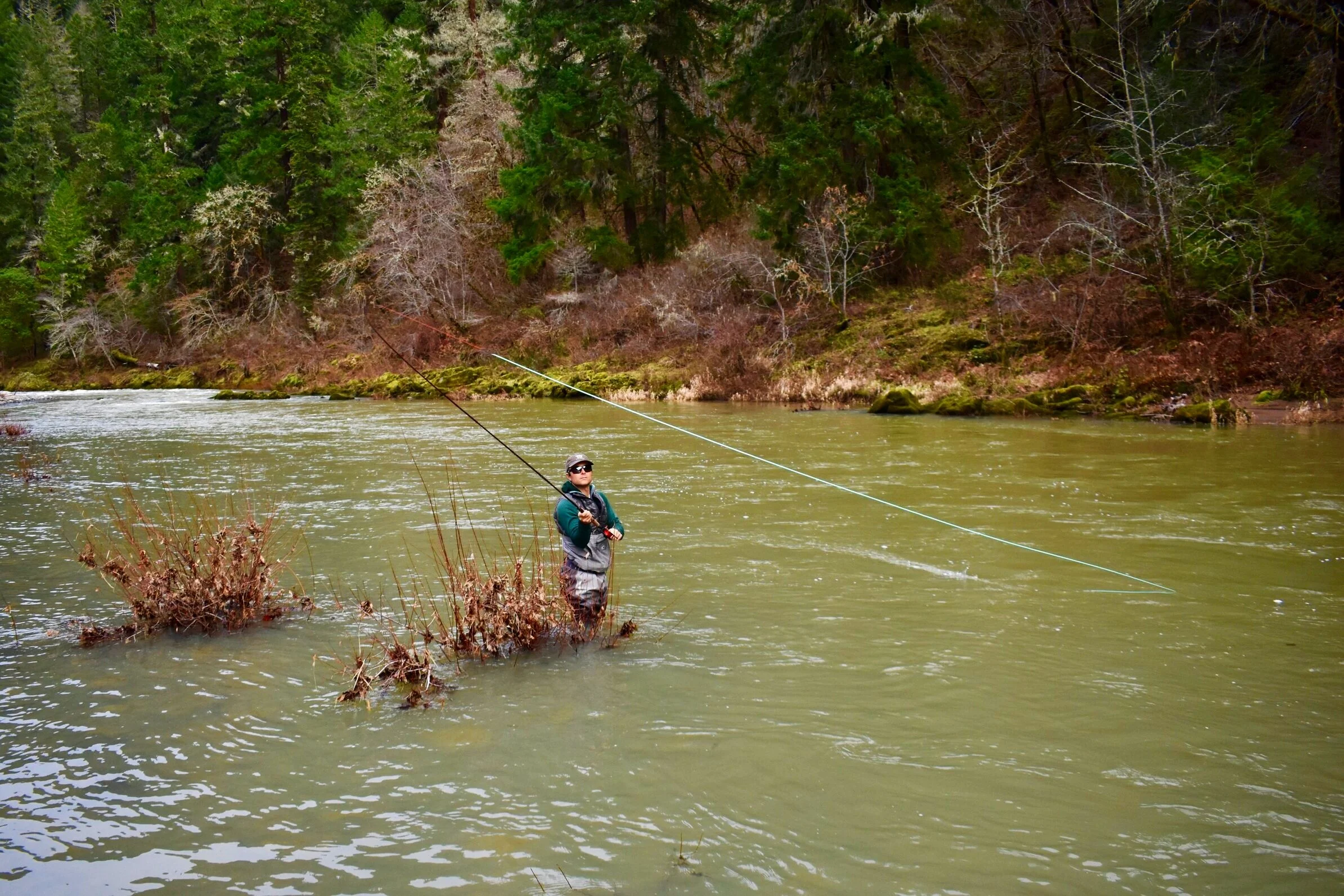
1) Watch your rod tip
Train your eyes here from the very beginning of your cast until the end. It might take a few tries to keep your eyes trained the whole time, so you can include the junction of your running line and shooting head too. The point is stay with your cast, all the way through, start to finish.
2) Open up your stance
If you are having trouble staying with your tip throughout the cast, try pointing your toes a little more downstream so your shoulders don’t get in the way and you are facing more of your d-loop. If your shoulder is getting in the way of watching your cast, you’re likely over rotating! Good casters look like they are hardly doing anything at all, and you should strive for that too.
3) Head Up
And keep your head on a swivel. In just about all spey casts, there are multiple directions involved, and you are going to have to move your head to stay with your cast and execute it. Allow your head to move as you cast, to follow your rod tip, observe your d-loop and pick a target for the forward cast. It will help your timing immensely, and even save a bad cast. By watching it all we’ll often catch the error mid stroke and can make a real time correction. Keeping your head on a swivel will also save you from annoying issues like catching your d-loop in the trees behind you. Why? Because you were watching it and saw it was about to go in there!
So watch your rod tip, open your eyes, and enjoy throwing some beautiful wedges out there!

Guide's day off - Applegate wines @ Red Lily
Just a drive to the Applegate Valley is all it takes to see why a small river valley (tributary to the famous Rogue) tucked within Oregon’s Siskiyou Mountains is such a gem. It still maintains it’s rural feel even though it’s just a western step off the I-5 corridor, complete with vintage agriculture, one of our favorite local steelhead streams and a thriving group of vineyards and wineries.

As you begin to feel you’re in the middle of nowhere, just past one of the few public parks in the area, a small sign points the way to one of our favorite Applegate wineries, Red Lily, known for it’s spanish-style wines, specifically their Tempranillos.
I couldn't help pausing the car as we drove down the lane and over a small, single lane bridge spanning the Applegate river. Tasting room in sight ahead, perhaps there was a steelhead below?
The grounds, when you enter the winery are a pleasing combination of ranch style buildings, manicured lawns and picnic seating near the river where summer evenings and live music can be blissful.
We were greeted by an energetic trio of wine tenders who eagerly greeted us with warm smiles and a detail of their flights, bites and bottles.

Keen to give their signature Red Lily flight a try, “a sampling of their Spanish inspired varietals” we ordered a pair and a tapas platter to share.
Outside the pitter patter of light winter rain bounced off the metal roofs contrasting the warm fire, rough wooden furniture and cozy atmosphere inside.
Our flights arrived (in test tubes how fun!) with a quick tutorial and info card. Much appreciated, it’s fun to compare and contrast your palate.
In our flights, we added a fifth to taste, their best in class and featured wine, a 2014 Life of Riley Tempranillo (Best in Class at the 2018 Savor NorthWest Wine Competition).
Letting the specifics of our interpretation and others go, we thoroughly enjoyed each and every sample, choosing a glass of the 2014 Life of Riley for Bridget and the Lily Girl Rose Rose for Brandon.

But in all seriousness, Red Lily’s Rose was mentioned numerous times by our winetenders as a summer favorite where many evenings in the warmer months, they feature live music and a house Rose Mojito recipe that pulls folks in for miles and keeps them coming back for more. (We’ll definitely be back for those!)
After a stroll down to the river, we decided to take home a couple of bottles to enjoy later. Their award winning Tempranillo, to be enjoyed immediately and a Rose, to be kept Cold and ready for those not so distant warm and fuzzy summer evenings.
It’s fun to enjoy the Applegate for more then just it’s prized winter steelhead. We have a couple of months to enjoy the fishing here but a rear round opportunity to savor other fruits of the land.
Muddy Waters

Is that enough buffer?
I’ve always wondered how resilient streams are to erosion caused by industrial logging operations. Consider the capacity of mature old growth forest ecosystem to hold in precipitation and release it slowly. Contrast that with a mono culture of 30 year old trees next to large sections of barren earth. Water, sediment and junk just flashes into our favorite rivers after clear cuts. The barrier left along fish bearing streams is a joke. Is 3 trees and some slash really enough to prevent severe sedimentation?
Just look next time you see logging on your favorite stream or river, it’s obvious it’s to little protection.
Just saying.
We all need lumber, but common, we’re this desperate?
Klamath steelhead
Tuck with a nice one!
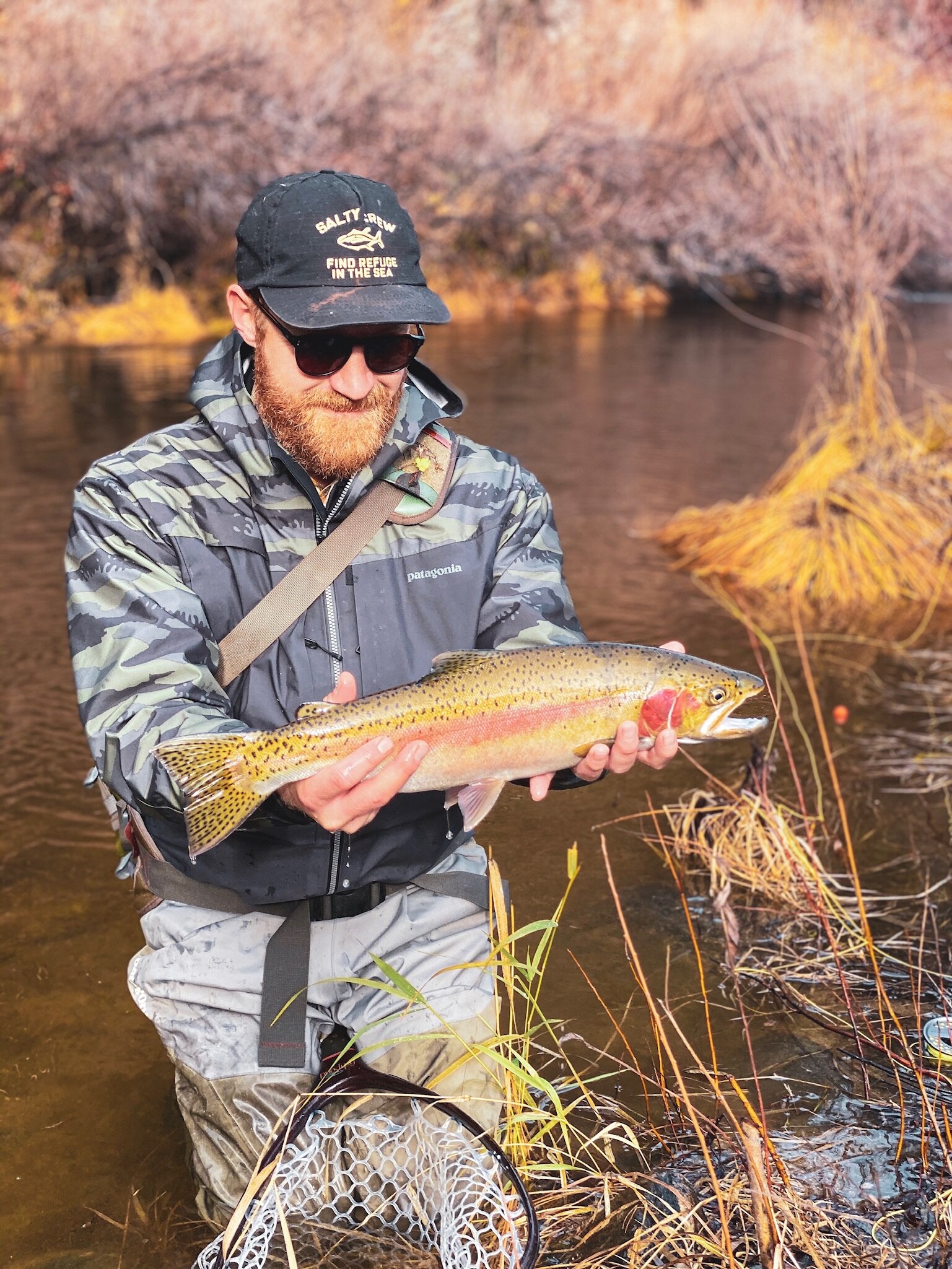
Winter Steelhead are coming …

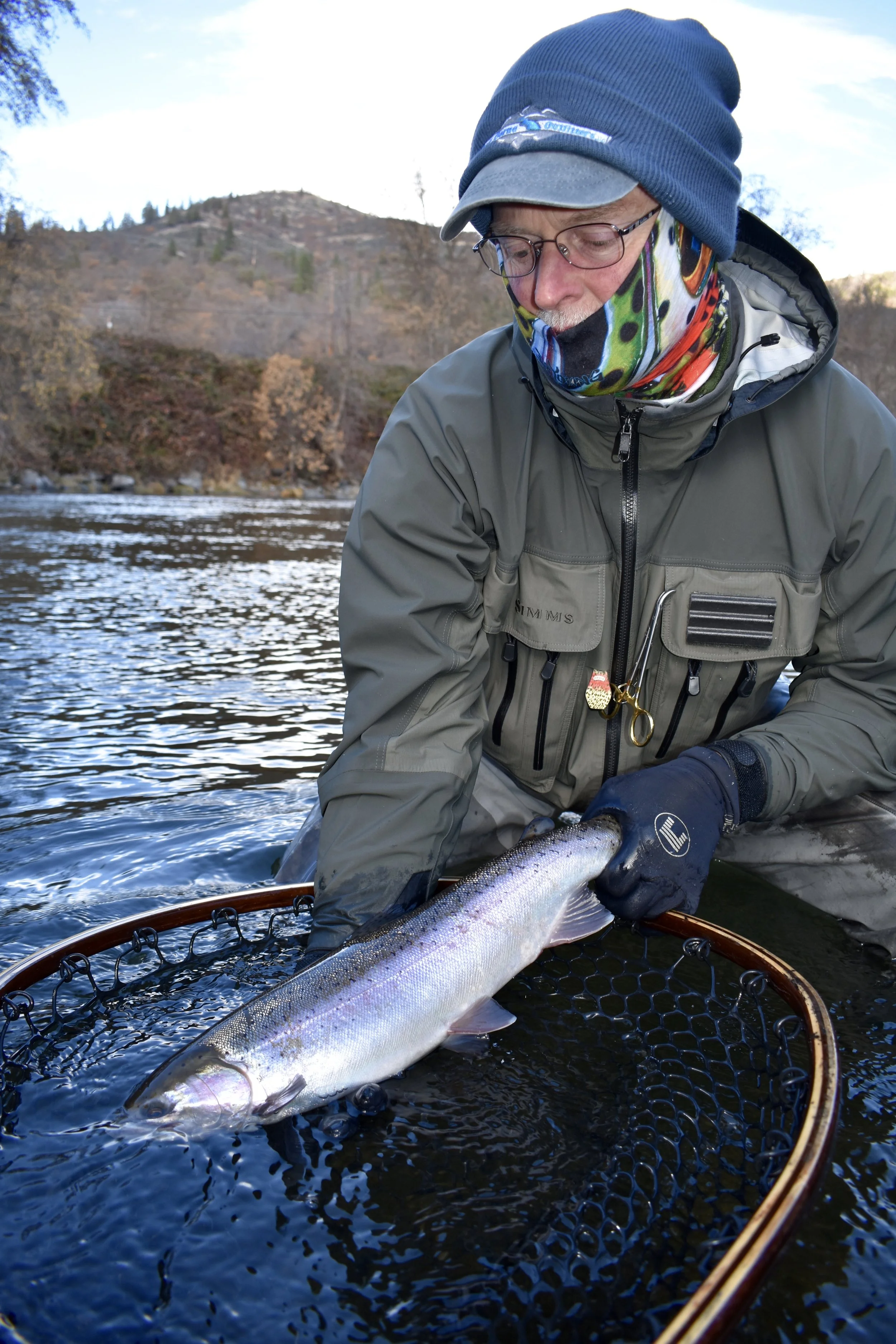
A stunning Rogue Winter Steelhead.
As the days get shorter and the air gets cooler, you can feel an underlying eagerness lingering through our house. Brandon keeps subtly mentioning that he’s going to need a bigger net, and all his fly strategies, colors he wants to use. I open the laptop and the USGS waterdata site is automatically up. I wouldn’t even doubt that he’s started to do rain dances in the backyard. Someone is getting stoked for winter steelhead season! …If you’ve ever caught yourself an elusive, Southern Oregon winter unicorn, you understand.
Our winter program runs January - April. Drop us a line to find your unicorn!
Brandon Worthington presents @ Diablo Valley Fly Fisherman
Brandon Worthington presents “Fishing the seasons in the Mythical State of Jefferson" at Diablo Valley Fly Casters
Diablo Valley Fly Fisherman, Tuesday November 19th
The Gardens at Heather Farm, Camelia Room
1540 Marchbanks Drive, Walnut Creek
Join Brandon Worthington of Worthington Fly Fishing for a multimedia presentation to explore and learn about their seasonal approach to the best fly fishing opportunities in Far Northern California and Southern Oregon. He’ll emphasize strategies, tactics and timing for Summer and Winter Steelhead as well as endemic Redband Rainbows on the Rogue, Klamath, Umpqua and beyond.

Dining out in Ashland, Oregon

Dining out in Ashland is a must when you come to town. Just a short stroll from any of the downtown hotels you can find a plethora of delightful options.
House-made pasta, wood-fired pizzas, balanced wines, excellent service and outdoor seating. Need I say more? Absolutely, its just that good! Brandon gets the boar bolognese every time and theres never been leftovers.
Standing Stone not only has an elaborate choice of house brews and local wines but their delectable menu is sourced from local ingredients most coming from their own farm only 1 mile away from the brewery/restaurant in downtown Ashland.
A touch of Spain in Ashland. This place has incredible tapas with excellent house drinks. Anything with their romesco sauce will leave you wanting to lick the plate clean.
Mexican done right with an Ashland touch and an excellent margarita! Quick, delicious and even nutritious if you can resist their exquisite carnitas!
Enjoy a meal and a beverage on Ashland Creek or order free delivery to your hotel room. Louie’s is great! We highly recommend their new bowls, nice and nutritious, makes for a marvelous meal.
Simple Steelhead Muddler
I think the more fishing we do, the more we learn the specifics matter less, and the general idea often gets the job done. That’s the deal with the classic Muddler minnow, especially for steelhead. It’s simple, impressionistic, and can be fished and tied in a variety of ways to best suit your local waters. Here’s how to tie a varient I use on my local Steelhead waters, fished up top or with a tip on the swing.
Have fun!
Brandon
Step 1: Gather materials

-Dark Deer Hair, Diamond Braid, thread wax, maribou (any color, this one uses burnt orange) Steelhead hook. Note: If you plan to fish this on the surface, consider a lighter guage hook. Use heavy thread for this tie, I like Veevus 140.
Step 2: Snip a small clump of hair for the tail and tie in at the point of the hook below, allow it to extend past the bend of the hook a bit. Tie in several inches of Diamond braid. You will palmer this towards the eye to make the body next…

Step 3: Palmer the diamond braid up the body to the return of the eye and tie off.

Step 4: Tie in a small clump of Maribou even with the tail, then tie in a small clump of deer hair over the top of the bou’ for an over wing. Less is more here …

Step 5: Leave enough room here for a generous amount of spun deer hair for the collar and head.
Grab a liberal hank of deer hair…

Step 6: Spin the deer hair. Wrap lightly around the shank and hair once, softly, then continue a second wrap, slightly more pressure. Third wrap, harder still allowing the hair to spin around the shank of the hook and the thread to tighten up. Continue tension for a 4th wrap through the hair until the thread is clear of the hair.


Step 7: Trim hair. This is where you decide how you want the head to look. Leave a lot of hair and this thing will push a ton of water, but a tighter trimmed head casts easier. Either way, trim up the butts with your scissors and admire the result. Then, tie one on and let er’ rip!
Happy tying,
Brandon
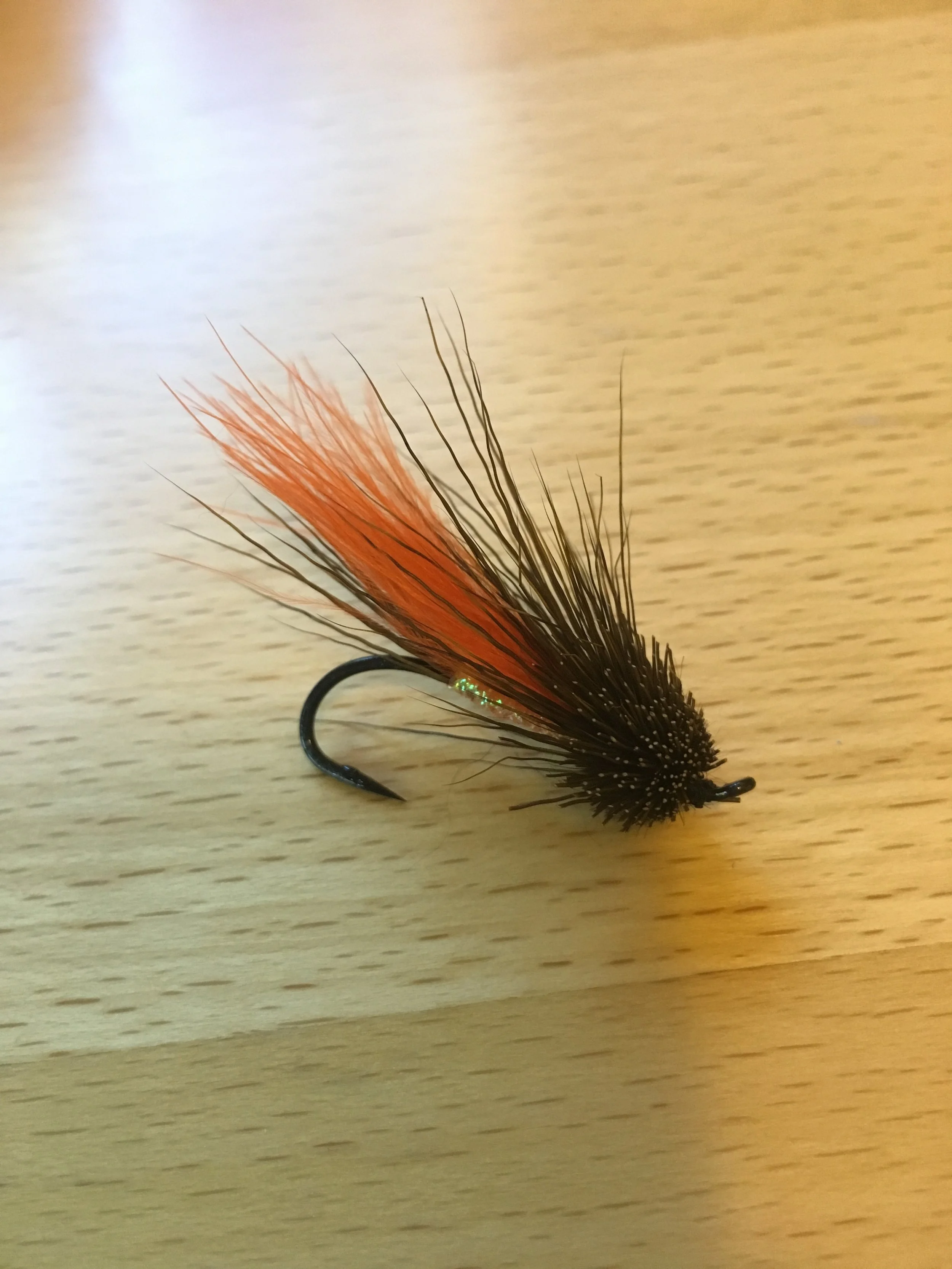
New Danner/Patagonia wading boot
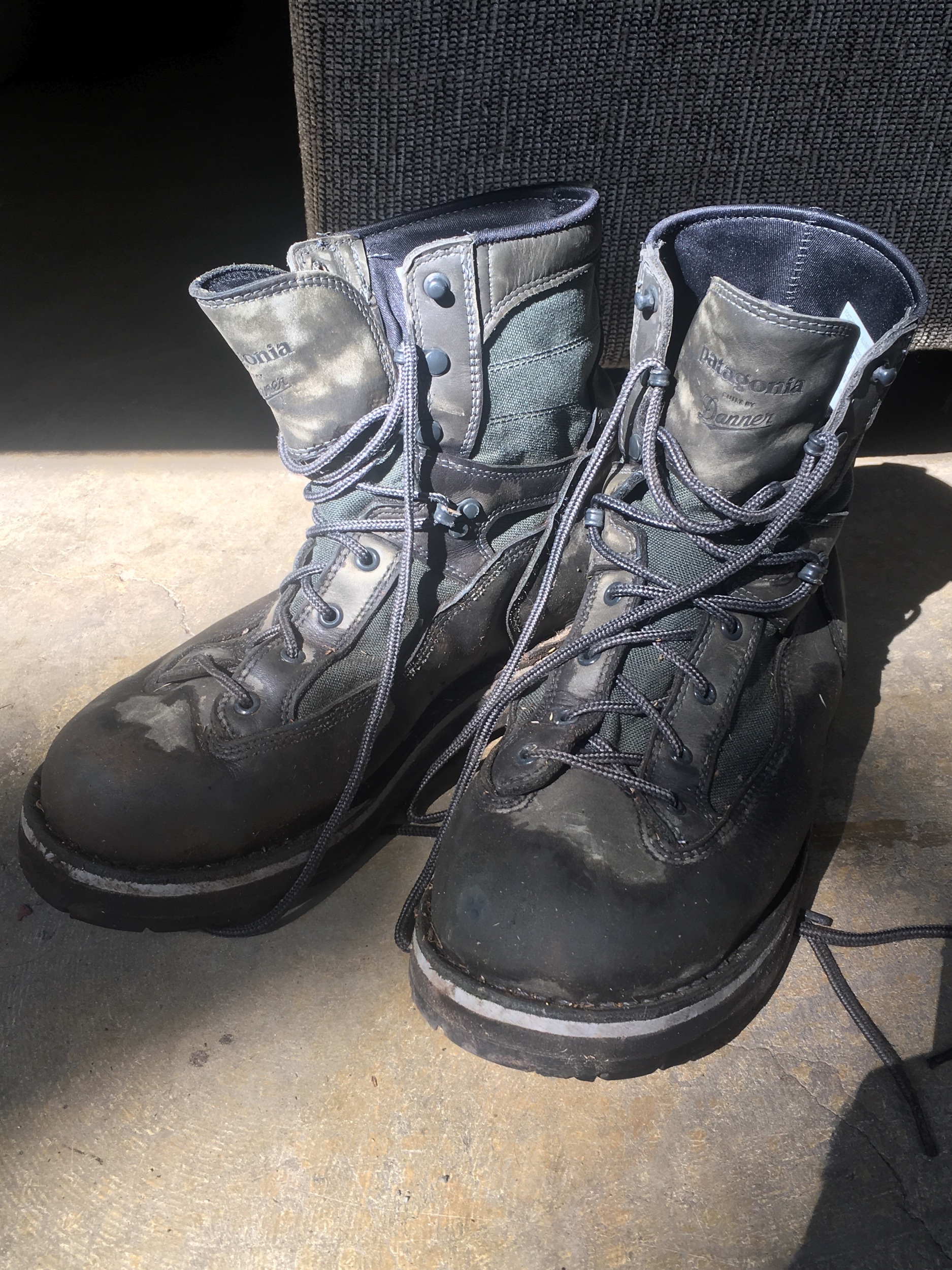
I’ve gone thru two pairs of Patagonia foot tractor in one full year on the water guiding fly fishing. Each boot lasted about 200 days…
I’m on month 1 with this latest incarnation boot, and it impressive so far. Let’s see where the ROI is…the point is these things should last .
12 hr dry time showed here is impressive…
Sink Tip Care

It’s a sink tip mess. And it’s probably one you’ll have too occasionally.
We’re gearing up for Fall Steelheading in Southern Oregon, and it’s crucial to sort out your tips prior to hunting chrome. It’d be a shame to loose a prized fish due to a tip failure, and though it’s rare, it happens. If you’re that guy that dredges and has had a few root wad encounters, this especially applies to you…
Check your tips by:
Inspecting both loops for cracks/core exposure/cuts/chips. Once the braid shows, its especially vulnerable.
Run your fingers down from tip to tip and check for damage throughout.
Hold one end in one hand. With your other hand, pull the length of the tip through your fingers, applying about 5 lbs of pressure. Feel for stretchy, compromised, weird or soft spots.
IF you have a compromised tip, it often breaks in this final test.
I’m probably in the minority of Steelheaders who needs to inspect their gear so regularly but it also applies to lines/tips stashed in the garage which may have moved well past their prime. Synthetic materials do have an expiration date.
Knowing your gear will give you more confidence and more trust in the process of swinging flies for steelhead and as every steelheader worth his green water would say, confidence is key to success.
Tight Lines!
Take your grandkids fishing
Southern Oregon Steelheading is heating up and this week Spencer experienced what it’s all about on his first fishing trip to the Rogue River with his Grandpa Gordon. Fly Fishing creates memories that last a life time, and Spencer’s first Steelhead is one he’ll never forget!

Summer Steelhead on the Rogue River run July-December with famous Fly-Only Regulations September 1st-October 31st.
The Upper Rogue River offers a wide variety of enticing Steelhead water that lends it’s-self to a variety of fishing tactics and the steelhead here can be taken with both dead drifted and swung fly approaches. We love swinging for these fish with two handed rods while wading, though drift fishing from a driftboat is also extremely effective.
Drop us a line to experience one of the West’s best steelhead fly fishing destinations!
A River Trip Away

I find excitement in exploring what’s around the next bend; be it following the hatch on my local streams up river, the upcoming Steelhead season (spoiler alert: Steelhead are already here!) or floating a new Wild and Scenic River to celebrate one year of marriage with my amazing wife, Bridget.
In 1968, the Wild and Scenic Rivers act was passed into law in the same time period as other hallmark environmental works like the Clean Air Act and Clean Water Act. These laws help preserve the wild places we enjoy, and so many other ecosystem goods and services we often take for granted. Oregon alone has a plethora of protected waters worth experiencing, and while I am fortunate to guide several designated Wild and Scenic Rivers locally, there is something so exciting about floating a new one together.
The week before our trip, it became clear we were racing the unrelenting clock of diminishing river flows as the tail end of a healthy snowpack year descended off the high Wallowa Mountains, lowering river levels inches per day. Our scheduled launch date was just in the nick of time. Pushing off, the river was barley floatable. But once we were around the first bend and looking forward to four days and three nights ahead in a remote river canyon, our concerns of low water were swept away as our horizons filled with enchanting views and dancing water…
Fishing was of course part of the menu for this trip, but only an appetizer to the main course of solitude, scenery, quality camping, boating and wildlife viewing.
The river lent itself to classic freestone fishing approaches and after a few tinkerings of tactics and a few rods rigged, I settled for a dry dropper rig, finding the fish and water required little more than a good drift and being mindful of my shadows. Mornings were best and the river holds beautiful, wild Rainbow Trout, a few Bull Trout and abundant, large Whitefish. In fact, the Whitefish were the largest I have ever encountered, often pushing 18-20 inches.

Aiming to cover 40 some odd miles in 4 days, and at such a low flow meant covering long distances in technical, boulder strewn waters. The boating was demanding, but the miles melted away, and time, as it does in timeless places like the Wallowa-Grand Ronde, was replaced with the suns position in the sky, growing shadows on the water, and evening needs to find suitable camps, of which there were many.
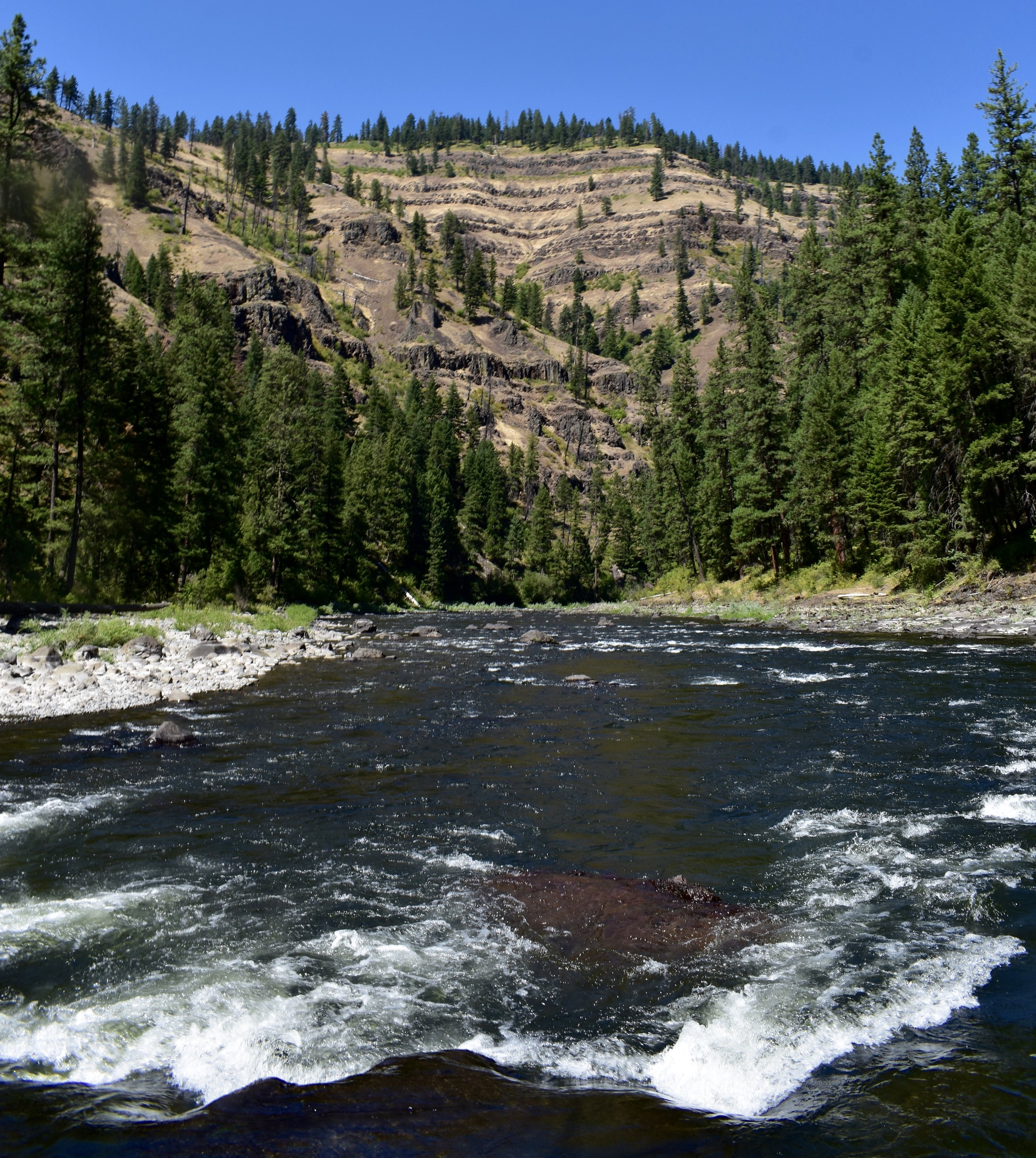
Our first wildlife encounter was stunning, a Golden Eagle swooping to the right bank, talons extended, it’s prey squealing for life. The eagle soon flew off to a near cliff, perhaps disturbed by our presence, then to our astonishment, the large weasel that had just been screaming bloody murder picked itself up and slinked into the bushes, gravely wounded or hardly hurt, we couldn’t tell…
Later, bright white shapes along the right side of the river piqued our interest, until the Mountain Goats came into focus and our jaws dropped. We floated right upon a family group of 7, working their way downriver at a clip much faster than I would have imagined. Their powerful hind quarters and sure footed hooves propelled them over the uneven rocks, muscles rippling. Disinterested in our presence, they ate, drank, played and cooled off in the sand while we floated by.

Not long after, but on the opposite bank, a group of Big Horn sheep escaped the afternoon heat on the rivers edge and allowed us another great opportunity to observe more of the canyon’s permanent residents. Like the goats before, they seemed disinterested in us, as if they knew we were transient and would soon be on our way to leave them to go about their lives as they did yesterday and will continue tomorrow.
Four days and three nights, even in a place like this, still goes by too fast. I feel you could spend a life time in places like this and still only partially grasp its entirety. We had a great trip, and I’ll mark this as one of my favorites. It’s one Bridget and I plan to repeat, perhaps a little earlier in the season with more water in the river to aid our progress, and perhaps a few days extra to forget time, enjoy more fishing and enjoy a river trip away.
Fly Fishing Southern Oregon Winter Steelhead
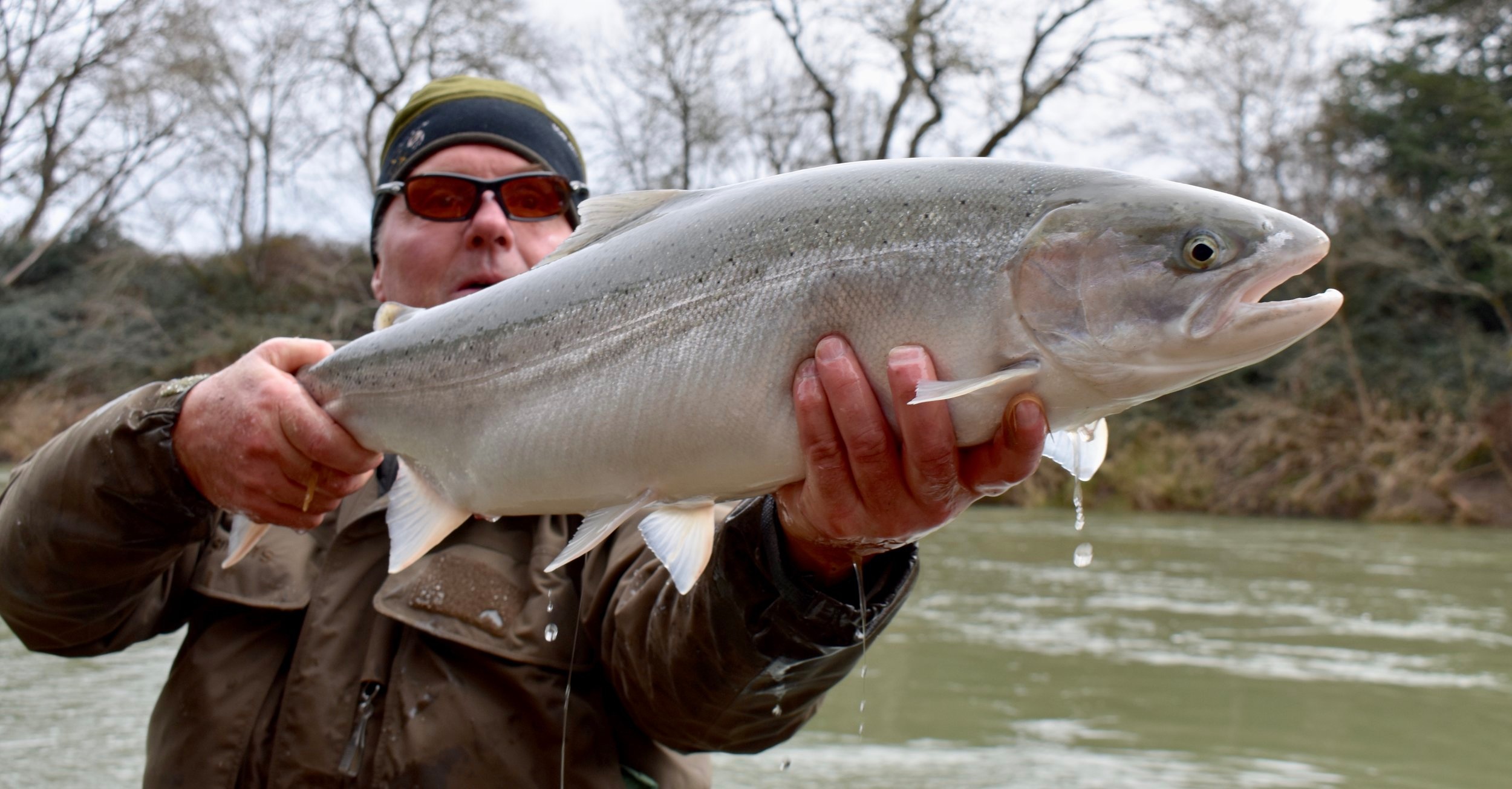
From December - April the rivers and streams of Southern Oregon see noteworthy runs of Winter Steelhead. The wide variety of river types across the region allow anglers the ability to stay in good fishing conditions in all but the worst winter storms.
Most Southern Oregon Steelhead gradually make their way upstream over the season, but all rivers in our area feature a few fast running fish that make it into their spawning areas in a flash. It’s never a bad idea to target these fish early and high in the system as these can often be the largest, meanest and most memorable of the season.
When’s the best time to go?
Any time you can!
By February, nearly all of the Southern Oregon streams we guide have fishable numbers of Steelhead, and we simply target these fish based on which of our 7 area steelhead rivers provide the best conditions for the trip. We run our trips out of Ashland, OR and the greater Rogue River Valley, allowing easy day trips to all but the Coast and North Umpqua River.
Later in the season, including March and April the upper reaches of our rivers are typically fishing the best and have high concentrations of steelhead. We love fishing the spring months as water temperatures are often a bit warmer, the days are longer and the stream side vegetation is bursting to life. The Upper Rogue is a great, spring, steelhead river.
Winter Steelhead fly fishing in its truest form is actually quite simple. Most of the challenge to catching these fish on a regular basis can be boiled down to two main factors: Conditions, and location. I have found steelhead will eat a bottle cap in the right mood, and when fishing is tough, but conditions are good, I’d bet you that X-Ray river goggles would show that all the great water you were fishing didn’t have any fish in it after all. This is where the river knowledge of a local guide can come into play and help you find the fish of a thousand casts with more predictability.
What conditions to look for?
In general we look for a dropping or somewhat stable river in winter and spring. As each system in our region reacts differently to storms, rain, snow, melt and erosion, we rely on the experience hundreds of days a year on the water to help us stay on the fish and give our guests the highest chance of success.
Both swing fishing with spey rods and indicator fishing are effective ways to take Winter Steelhead. Higher water and heavy currents are the norm, as well as cold water that slows fish metabolism. Deep water nymphing is by far the most productive method, but there is no higher challenge than swinging up steelhead in the winter. Patience and persistence can benefit you greatly.
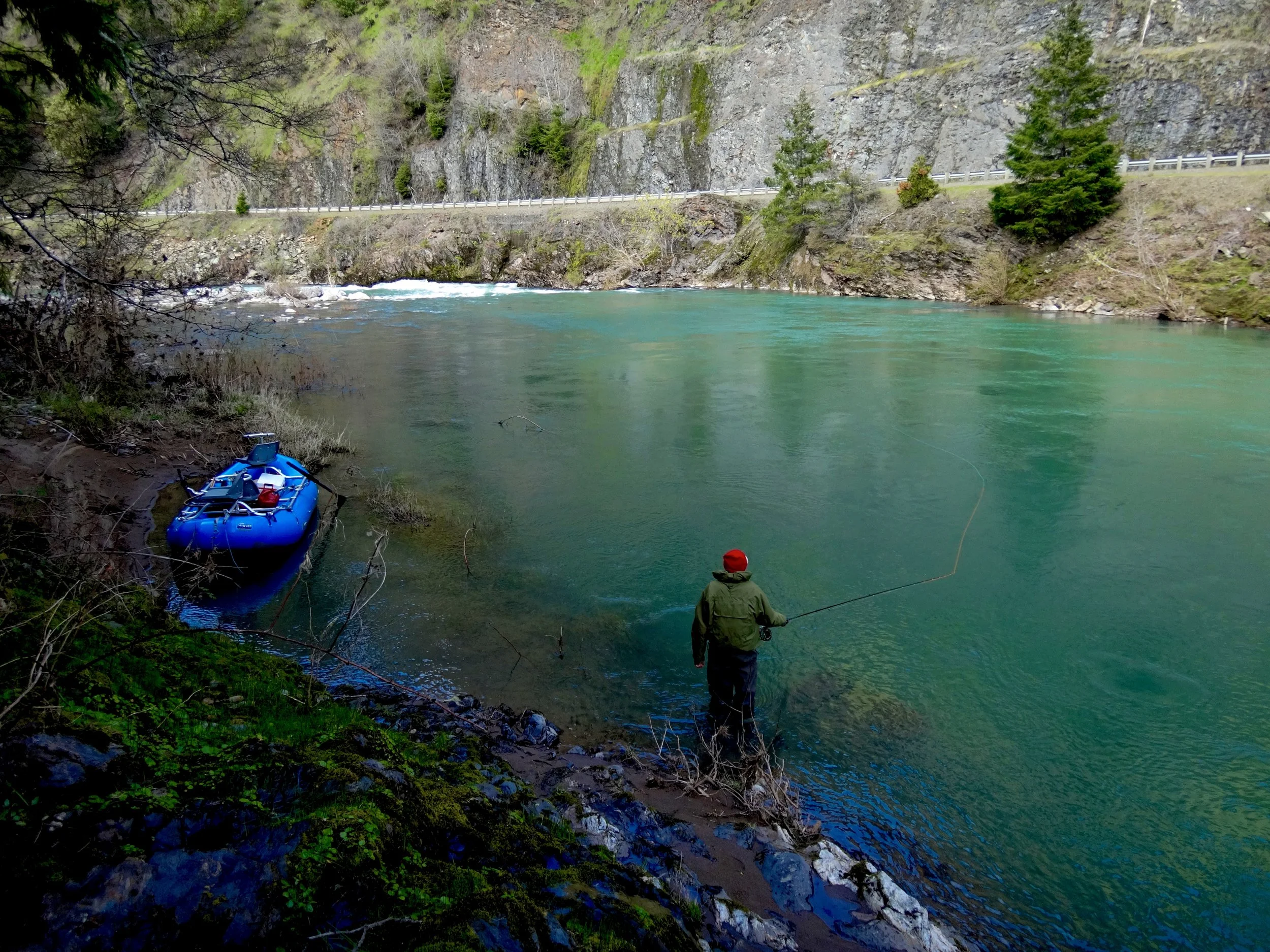
How to catch them?
To catch winter steelhead, a good place to start is with a 7 or 8 wt rod for both swing fishing and indicator fishing. Remember, spey and single hand setups are different!
For swinging winter steelhead, try a short Skagit style shooting head, a 10ft sink tip of T-11 or 14 and a large fly that will stand out against the often faster and colored water of winter. Look for water with a walking pace. Think low, and think slow. Swinging up these fish is a matter of patience, determination and efficiency.
To be in the zone nymphing, adjust the depth of your (heavy!) fly to be 1.5 times the depth of the water you intend to fish and focus on a long dead drift. Remember when nymphing deep it takes a few seconds longer for your flies to hit the fish zone. Cast further upstream in the lane with a longer cast to compensate and then get good at stack mending to continue the drift down stream.
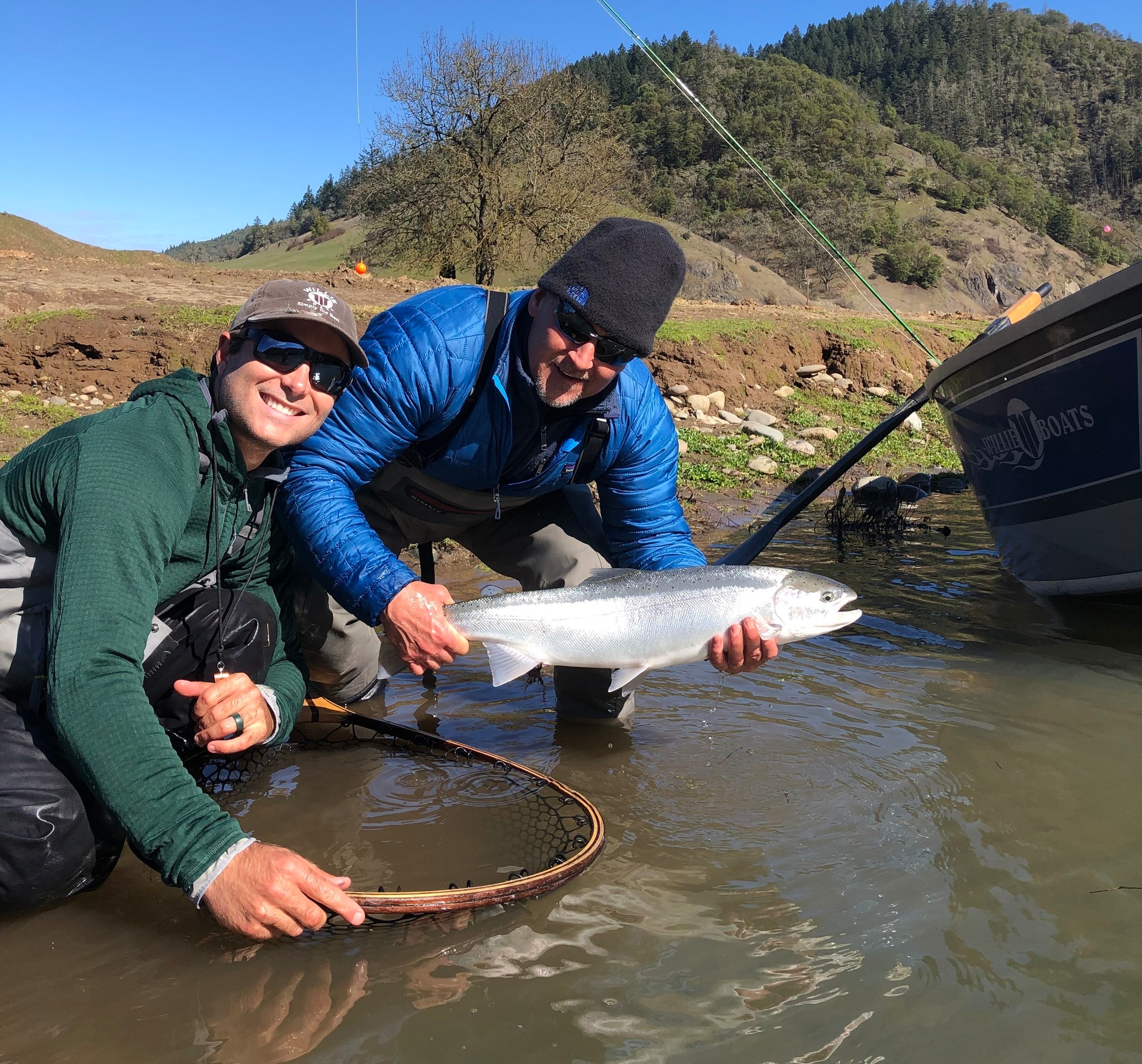
Worthington Fly Fishing has learned the intricacies of successfully catching Southern Oregon Steelhead on the fly and we love connecting our guests with the Northwest’s most fabled fish. If you’re looking to learn more about Winter Steelheading in Southern Oregon and having a great day on the water consider booking a trip with once of our local guides to unlock the mystery of these these amazing fish.
Tight lines!
A Few Favorites from 2018
What a year!
We had memorable fish, the best company and great river conditions as a daily theme. As we turn the page on 2018 and into 2019 we’re looking back on some of our favorite shots and moments from another year on the river.
It was and will continue to be simply amazing out there. Thank you and cheers to 2019!


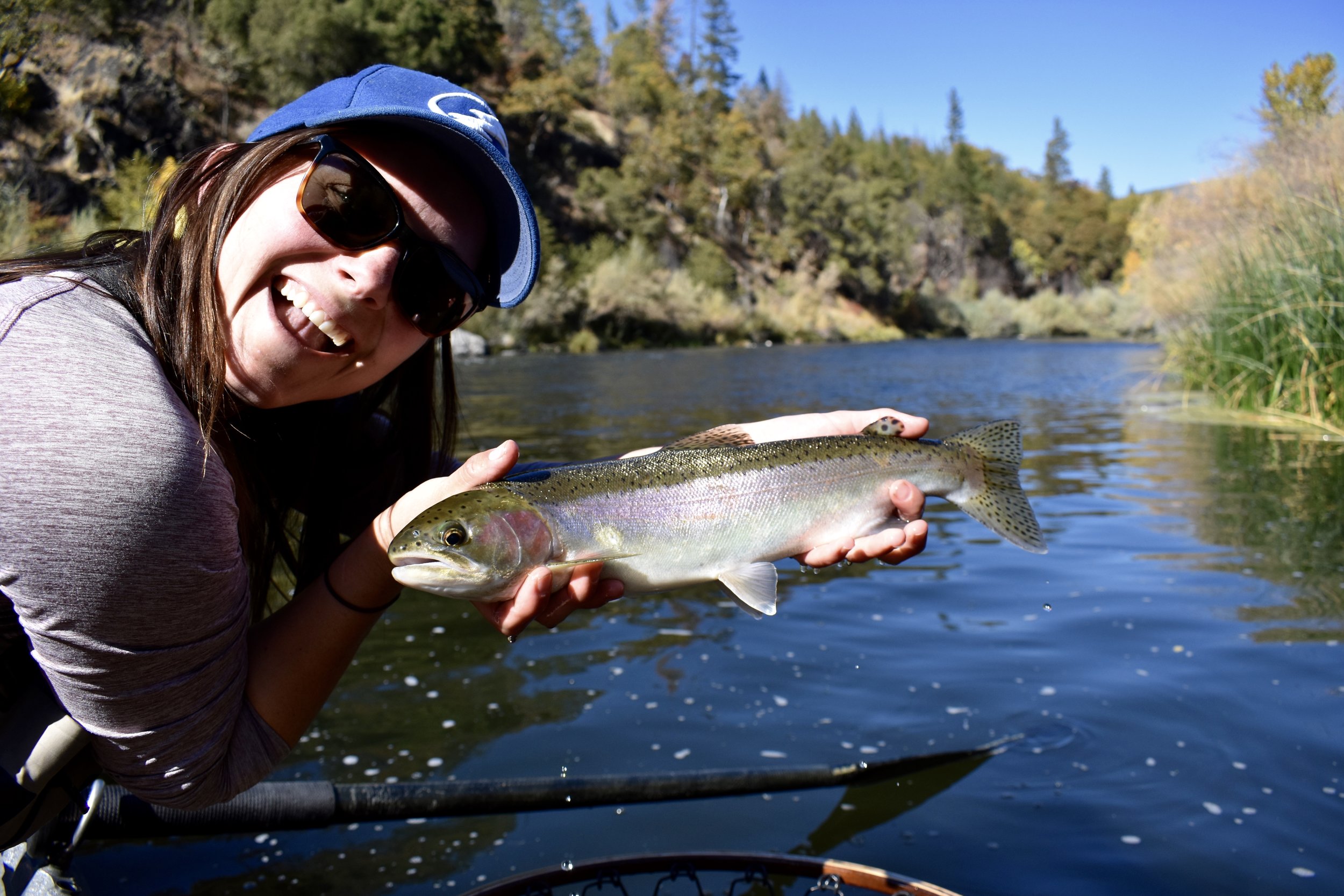

Patagonia Foot Tractor Boot Review
Guides complete boot review (Generation 1)

What makes a good wading boot?
It’s really easy to overlook the importance of the wading boot to your fishing program, even though we (I) expect them to perform for me day in and day out, on the water and off, and without a second thought. Your wading boot is there for you, every time you go fishing. Every trail, river, fly change, grip n grin, those boots were on your feet, humbly plodding along, indispensable, foundational to the experience. So yes, your wading boots matter!
Over the years I’ve had and owned and fished in a number of different brands wading boots, (Simms, Korkers, Chota, Orivis, Patagonia) including multiple traction options; rubber, felt, rubber with studs, felt with studs and felt with lots and lots of studs. I could go into detail on all the options out there, but this review isn’t a shootout, more the story of what hundreds of days of serious use will do to a wading boot that never gets to dry out and is repeatedly pushed to it’s wear out point.
Original Foot Tractor goes to AK
I bought my first pair of Patagonia River Tractor boots before heading up to Alaska. At the time I had been guiding in the Simms Guide Boot with felt and studs. In Alaska, felt is not allowed, so I needed a rubber alternative. Alas, Simms was out of my size in rubber when I went to order, triggering me down the Patagonia path which I am still on. It’s been 3 years of foot tractor use, and now I’m three pairs deep.

In the low gradient cobble of AK’s grayling streams I was immovable and felt super solid in the generation 1 boot. Snow didn’t stick to the rubber/aluminum bottom when hiking frozen trails and the aluminum bars bit into the rocks extremely well. They were a little heavier then I was used to, but oh so sticky to the river and trail. The boot was roomy, a little padded, and laced up easily and comfortably.
AK conclusion? Perfect boot.

Foot Tractor Boot in Oregon & California
Southern Oregon and Northern California, a super diverse landscape with equally diverse rivers was ultimately a much more appropriate test of overall durability and performance. Here we wade on all sorts of bedrock, cobble, lava, marbly shit, serpentine, trails to the river, you name it. Most of its hard, a lot of it has deep consequences of loosing traction can be bad.
The gold standard on my home waters is usually a felt boot with about three rounds of Simms studs. Once the first 10 studs wear out, I’d stick another round in. Continue that process with studs every few months and you maintain great traction, but a puck of studs is like $30 bucks? Factor that into your purchase price.
Aluminum Bars
The metal bars are screwed into the Patagonia boot sole, which is a serious plus in my opinion, In my experience, the metal bars lasted about as long as the boot itself, so no extra studs, extra cost, or loss of traction down the line. Good idea!
The saw tooth edge of the bar does indeed find a few more nooks and crannies for purchase then a set of studs, and the soft aluminum bites on just about every surface. I say just about every surface because there are a few river bottoms that have just the right level of slime and slick rock that even these edges fail to purchase on. No boot is perfect. Also, get used to leaving some shiny aluminum on the rocks, especially if they are new. The way the aluminum works is it’s softer then the rocks, and kinda molds to the surface you are wading on.
Foot Tractor Durability
I barely noticed any wear or decrease in gripping performance for the first 60 or so river days. Most were a mix of Upper Sac and Klamath walk and wades, but also quite a few on smooth cobble rivers of AK. At about 100 days or so I had my first lace fray and the beginnings of the deterioration of the boot. After replacing the laces, they performed exceptionally well for another month of daily use before I began to notice the bars were quite flat, the seams were getting weak and I felt a little less then rock solid in the water.
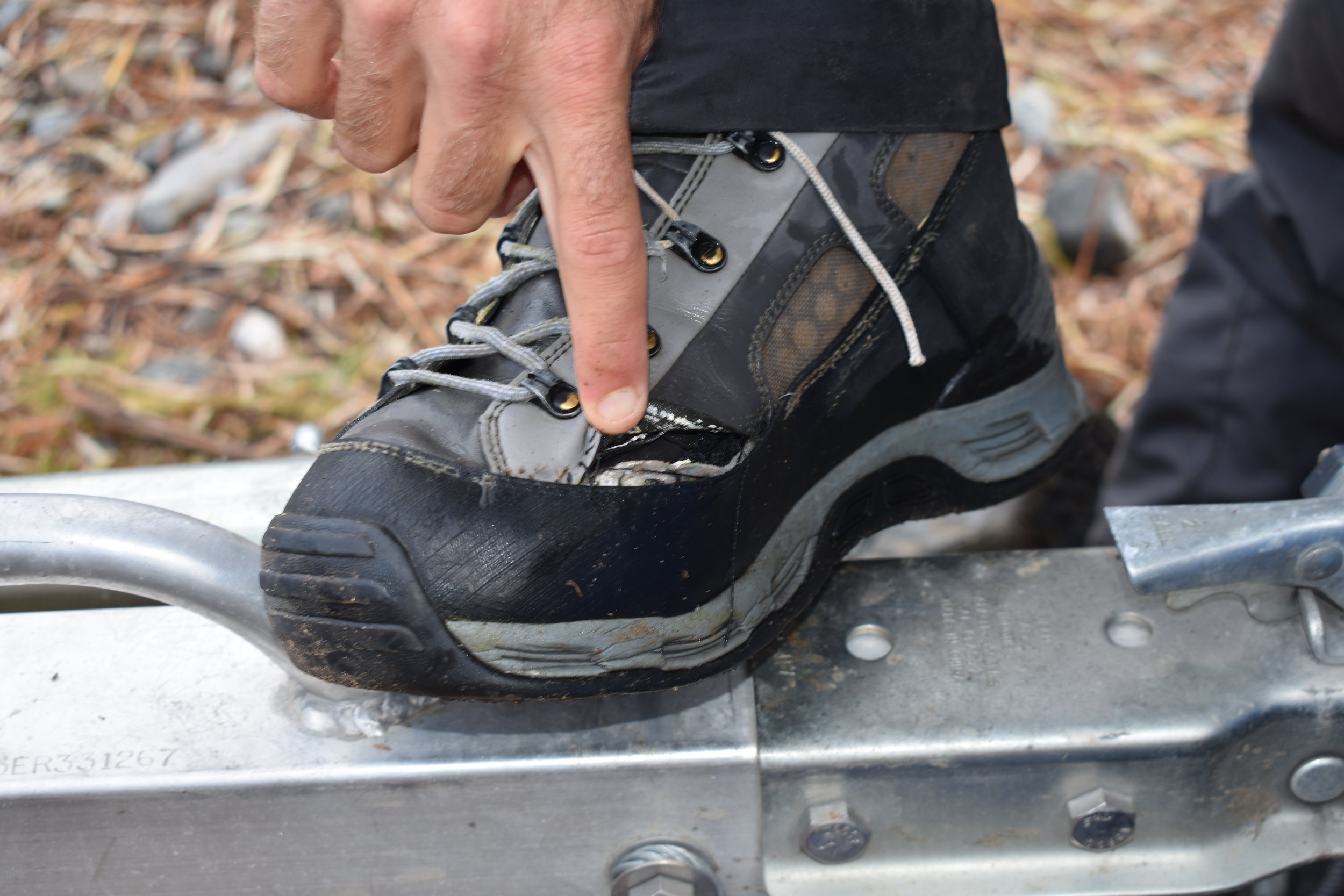
Next the rand of the boot begin to split and separate after what looks like the stitching had enough abrasion to finally loosen its grip on the upper.
Conclusion
Ultimately, I wore these boots for near 100 river days of hard use, with few exceptions in use intensity. They also rarely got a chance to dry out. In all, the soft aluminum bars gripped most surfaces very well and provided more than enough purchase to feel secure. The fit is roomy and the laces provide a great custom fit. They’re comfortable for all day use and the design and durability are good enough for most people. Personally, I was a little disappointed in longevity, and I feel a boot like this should have held up about 20% longer than it did. I have decided to give another pair a shot because I’m pretty satisfied with them overall. I’m hopeful this new pair lasts and I’ll make an edit sometime next year with the verdict.
Boot 2 Conclusion!
I replaced my first pair in winter and ran a full winter, spring and early summer of guiding. I enjoyed all of the features listed above, but near the end of their life, had literally the exact same failures as the first pair, at around the same time. A good boot, but I’m looking at what’s new on the horizon
Danner/Patagonia Foot Tractor Review
BIG NEWS! Patagonia teamed up with Danner to to make the last boot I’ll ever need! It’s $500 bones but if I can get a couple hundred day so use, cost per use will be the same of less, so there’s the value! And, if they last twice as long, that’s one less thing I need to buy to clutter up the world. Sounds like a win win!
Click here for an update on the new Foot Tractor Danner Boot!

Happy Wading!
Brandon Worthington
Holiday Gift Guide for the Fly Fisher
Are you looking for a gift for a fly fishing friend or loved one? We've got you covered with this Holiday Gift Guide for the Fly Fisher!
Abel Nippers and Lanyard; anytime Brandon is on the water, this combo is around his neck. These nippers and lanyard have lasted many a season and have many more left in them! Ours came from The Ashland Fly Shop, thanks guys!

Reeds Rod Wraps; these rod wraps help keep the rod organized for temporary storage (i.e. in the car) and are a great stocking stuffer for your favorite spey or single hand caster!

Patagonia Sunshade Hoody; this shirt is the BEST for sun protection in the summer and doubles as the perfect baselayer in the fall and winter. Available in both men's and women's, we couldn't recommend this shirt enough.

Dr Slick Mitten Clamp; winter is upon us, the water is cold and absolutely no one wants to have to take their mitten or glove off to fit their fingers in the standard scissor clamp. So we recommend the mitten clamp that functions great and allows your fingers to stay warm in-between the chromers.

Jefferson Fly Rod; we love supporting local, small businesses and we are fortunate enough to have an incredible rod company that is based out of White City, OR just minutes from the Rogue. The Jefferson Rod Co. makes exquisite single-hand and two-handed rods which we use almost exclusively. Brandon's favorite (at the moment) are a 1266-4 Spey Rod for two-hand casting and the 966-4 when guiding out of the driftboat.
Simms Wading Staff and Retractor; let's be honest, we have all wobbled our way through riffles or deep pools that we probably shouldn't have, sometimes we get lucky and other times we flood our waders or twist a knee; that's why we encourage the use of a Simms Wading Staff with Retractor, the quick release allows you to pull it out and use it in no time while the retractor clips in, making sure you can't leave it behind or watch it float downstream. The perfect sidekick for the Upper Sac!

PNW Landing Nets; these nets are the bee's knees. They are made using fish-friendly mesh that makes catch and release a much easier experience for the fish. We have the small and the large nets, while the medium size might just end up under our tree this year ; )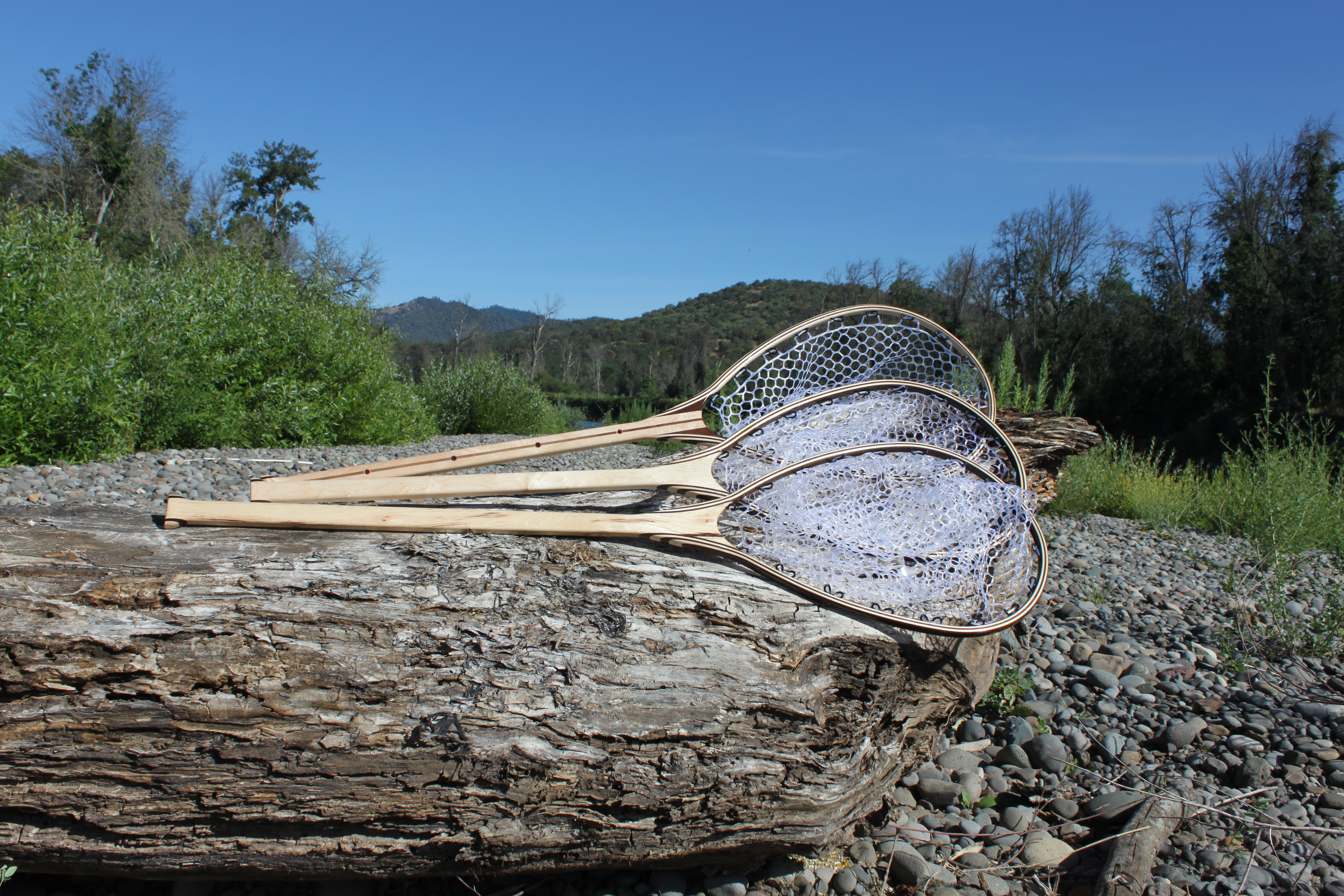
Orvis Battenkill IV; this little real has a big voice! Great click and pawl spey reel for the $. Works like a wonder on 11 -13 ft spey rods.
Last but probably the best gift you could give, $100 off of a full-day guided fly fishing trip with Worthington Fly Fishing. Give your friend or loved one the chance to catch the fish of their life!
You should be able find all of these items at your local fly shop and if they don't have them in stock they should be able to order them. We hope this list helps you find the perfect gift.
Have a Happy Holiday!
Reeds Rod Wraps; these rod wraps help keep the rod organized for temporary storage (i.e. in the car) and are a great stocking stuffer for your favorite spey or single hand caster!
Patagonia Sunshade Hoody; this shirt is the BEST for sun protection in the summer and doubles as the perfect baselayer in the fall and winter. Available in both men's and women's, we couldn't recommend this shirt enough.
Dr Slick Mitten Clamp; winter is upon us, the water is cold and absolutely no one wants to have to take their mitten or glove off to fit their fingers in the standard scissor clamp. So we recommend the mitten clamp that functions great and allows your fingers to stay warm in-between the chromers.
Jefferson Fly Rod; we love supporting local, small businesses and we are fortunate enough to have an incredible rod company that is based out of White City, OR just minutes from the Rogue. The Jefferson Rod Co. makes exquisite single-hand and two-handed rods which we use almost exclusively. Brandon's favorite (at the moment) are a 1266-4 Spey Rod for two-hand casting and the 966-4 when guiding out of the driftboat.
Simms Wading Staff and Retractor; let's be honest, we have all wobbled our way through riffles or deep pools that we probably shouldn't have, sometimes we get lucky and other times we flood our waders or twist a knee; that's why we encourage the use of a Simms Wading Staff with Retractor, the quick release allows you to pull it out and use it in no time while the retractor clips in, making sure you can't leave it behind or watch it float downstream. The perfect sidekick for the Upper Sac!
PNW Landing Nets; these nets are the bee's knees. They are made using fish-friendly mesh that makes catch and release a much easier experience for the fish. We have the small and the large nets, while the medium size might just end up under our tree this year ; )
Orvis Battenkill IV; this little real has a big voice! Great click and pawl spey reel for the $. Works like a wonder on 11 -13 ft spey rods.
Last but probably the best gift you could give, $100 off of a full-day guided fly fishing trip with Worthington Fly Fishing. Give your friend or loved one the chance to catch the fish of their life!
You should be able find all of these items at your local fly shop and if they don't have them in stock they should be able to order them. We hope this list helps you find the perfect gift.
Have a Happy Holiday!
River Update and Guides Report
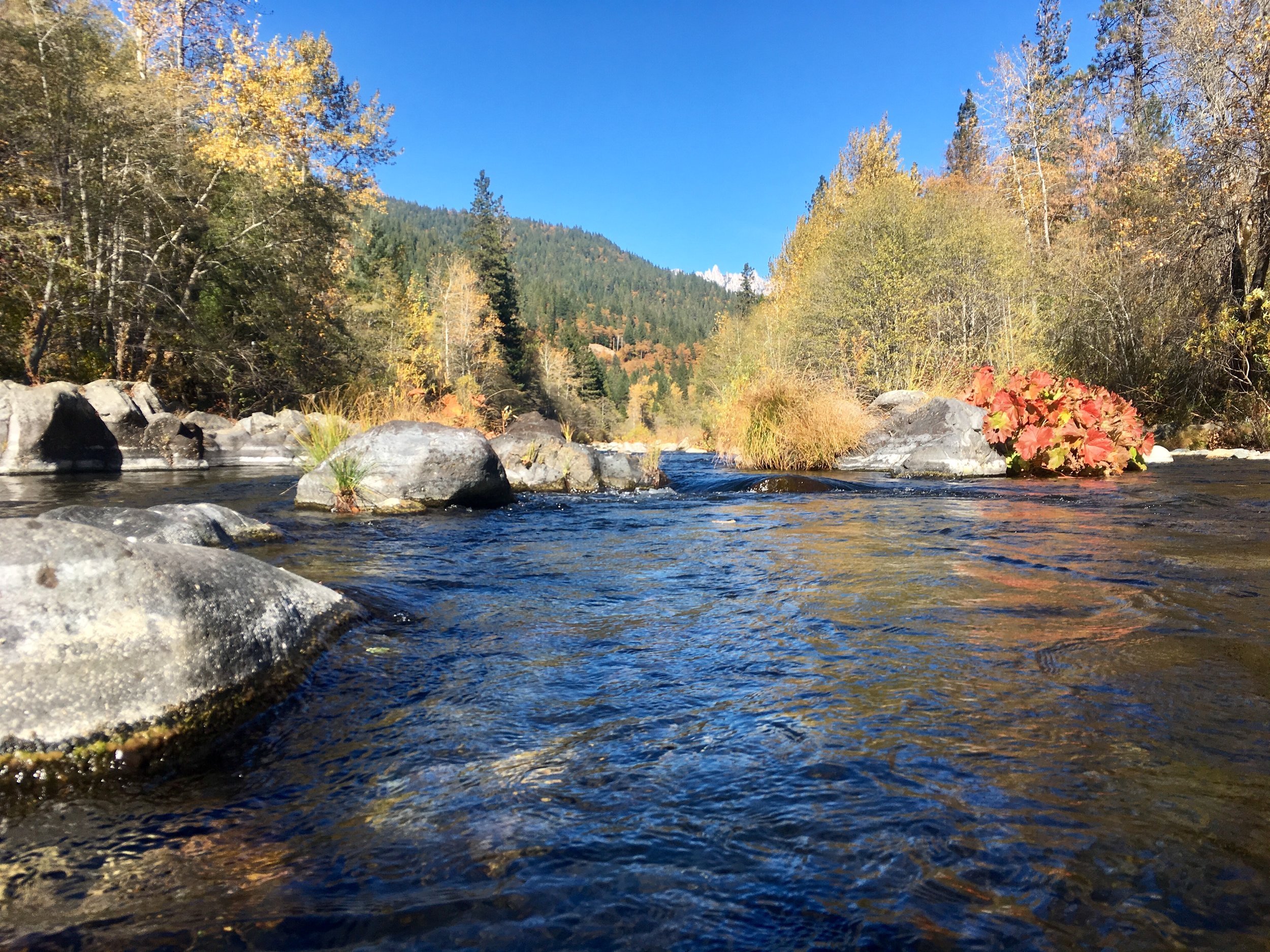
The pattern of high pressure and clear, sunny skies continues in the Shadow of Shasta and State of Jefferson. It’s making for beautiful days on the water and pleasant conditions with our area rivers including the Rogue, Klamath and Upper Sacramento offering fine fishing for our guests.

The Klamath’s steelhead return is delighting fly fisherman with multiple hook ups on adults each day and we have begun to see more influx of half pounders from the lower river making for a very fun and scrappy fight! We had several boats on the water over this week swinging flies with two handed spey rods, our guest encountering multiple fish each day, allowing for many good reminders not to set the hook on the swing!

Out on local freestones like the upper Sacramento, the river is low and clear and cold but October Caddis are active during the warmest parts of the day and we have found success with large bushy dries as well as tight line nymphing techniques. Jim and Bernice tried fly fishing together for the first time and were each rewarded with a few hard pulling wild Shasta rainbows while enjoying some of the prettiest river-scapes around.

The Rogue River remains at it’s low seasonal flows with great fall fishing. We are still awaiting some of the larger fish of the season to enter the upper river which often concedes with the first fall rains. Dave and Greg joined us for a day on the Rogue and Klamath to swing flies for steelhead and we’re rewarded with a buzzer beater at the end of the day and a few good grabs that we’re exciting to say the least.